Choosing a Kids' School and Sports Backpack: A Parent's Guide
Children carry a lot: books, laptops, lunch, water, PE kit and sometimes swimming gear, all on the same day. A good backpack, packed and worn correctly, protects their back and keeps things organised.
How heavy is too heavy?
The American Academy of Pediatrics recommends that a backpack weigh no more than 10 to 20 percent of a child's body weight. For a 30 kg child, that is 3 to 6 kg. Signs it's too heavy: leaning forward to carry it, red marks on the shoulders, or complaints of back or shoulder pain.
How it should fit
- Two wide, padded shoulder straps, both worn every time
- The bottom of the bag sits at or just above the waist, not down near the hips
- Straps adjusted so the bag sits close to the back
- Not wider than the child's back
Features that matter
- Separate shoe compartment: keeps muddy or sweaty trainers away from books.
- Wet pocket: essential on swimming days for damp towels and costumes.
- Bottle pocket: easy to reach for hydration in the UAE heat.
- Ventilation: mesh panels help kit dry and reduce smell.
- Durable, wipe-clean fabric and strong zips.
How to pack it
- Heaviest items, such as books and laptops, go closest to the back.
- Use compartments so weight is evenly spread.
- Check the bag weekly and remove what isn't needed.
- Pack the night before to avoid morning rush.
One bag or two?
For older children with heavy school bags, a separate sports bag for PE and swimming days can keep the daily load lighter. For younger children, a single bag with dedicated shoe and wet compartments is often simpler.
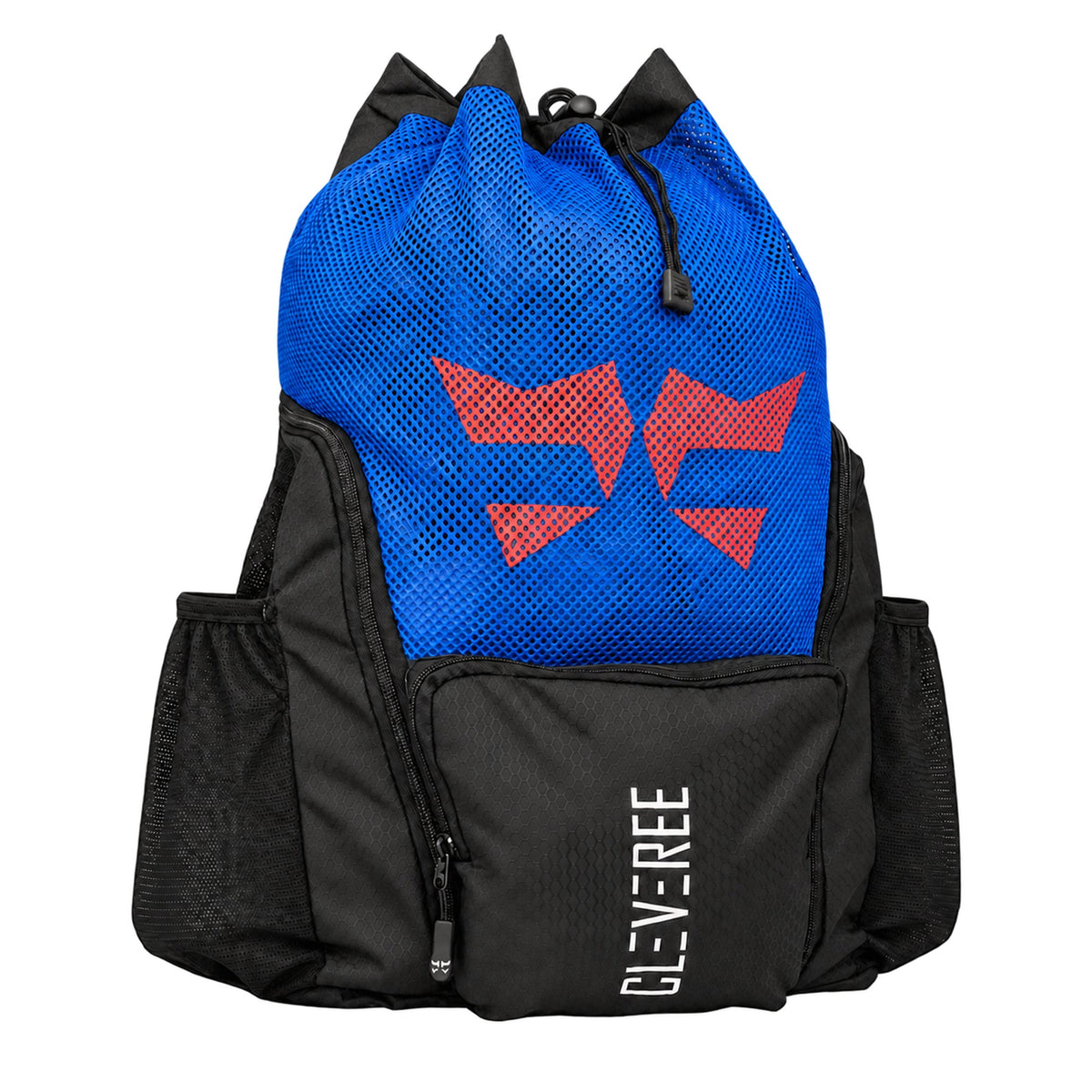
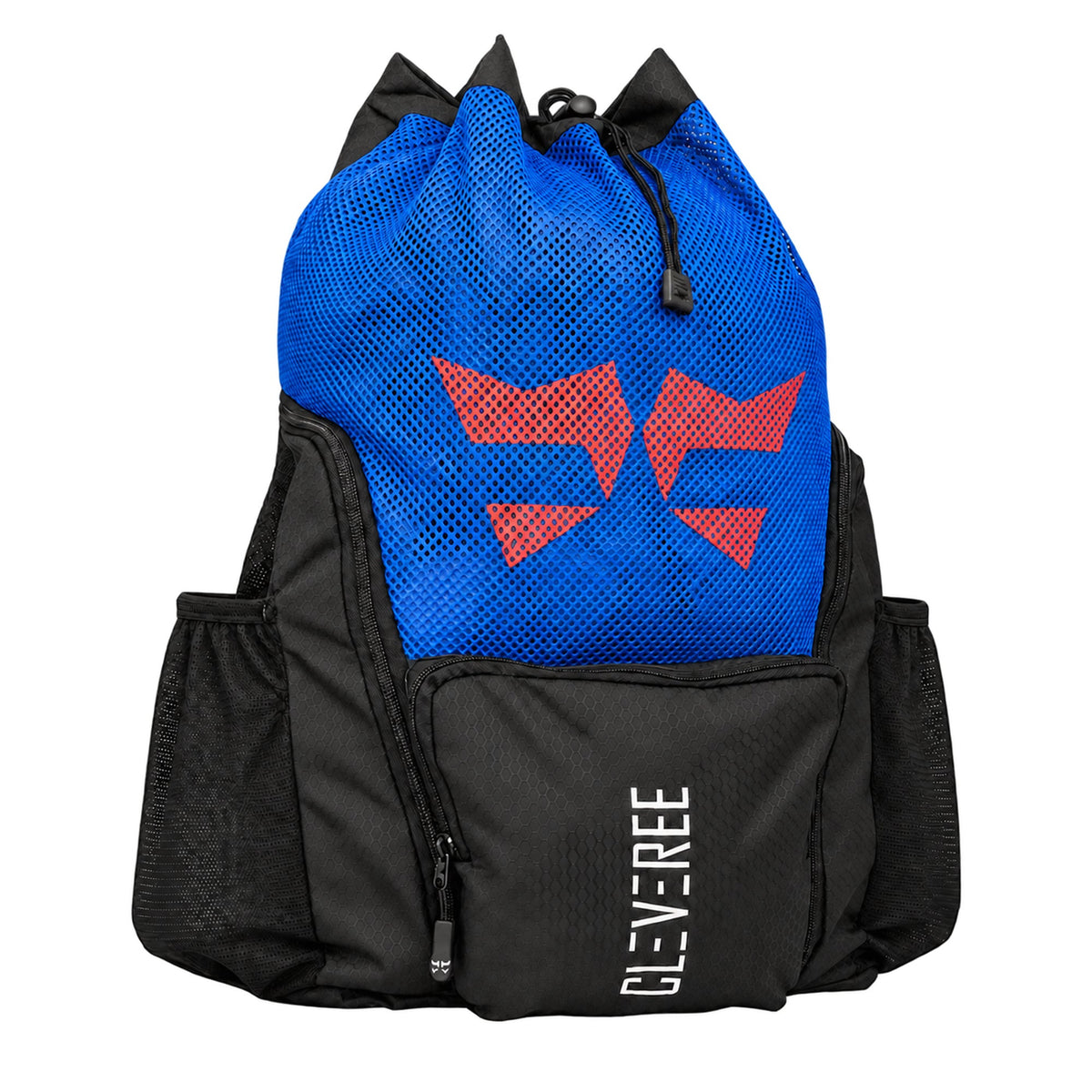
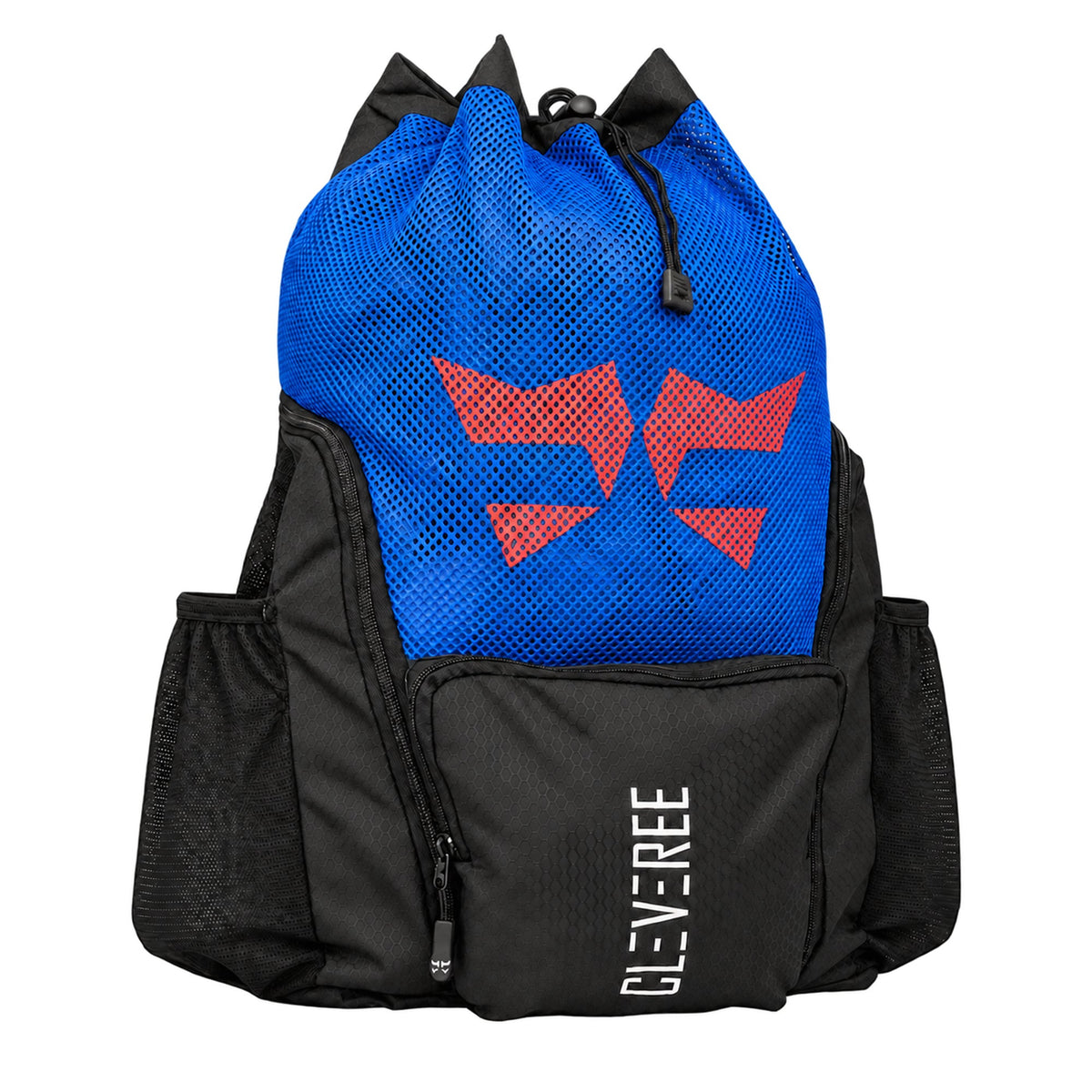
Our sports mesh backpack (54 × 45 cm) has a wet pocket and a shoe compartment, so swimming and PE days stay organised. Add a compact microfiber towel for swimming lessons.